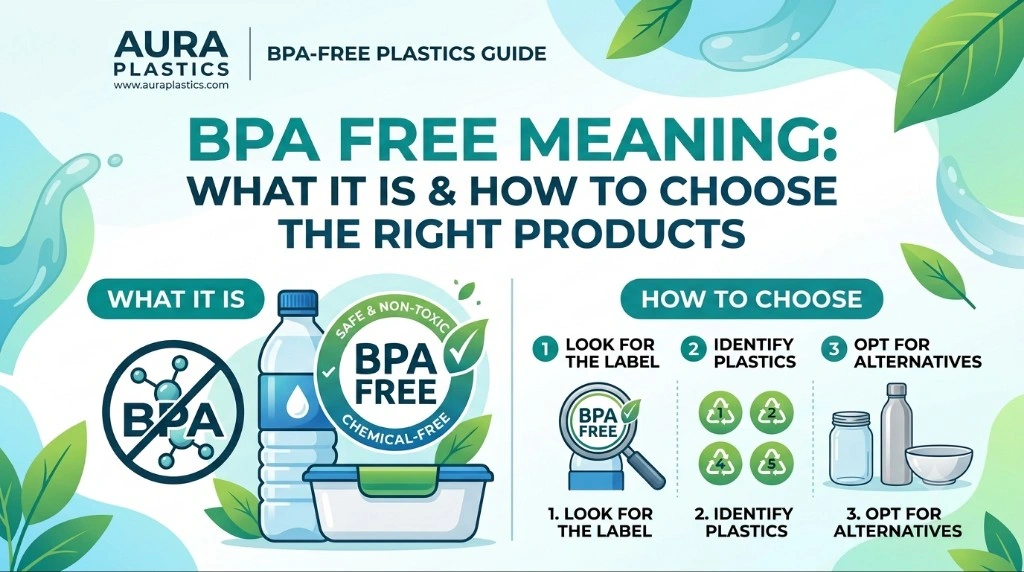
BPA stands for Bisphenol A. It is a chemical that has been used for many years to make certain types of hard, clear plastics (called polycarbonate) and the resin lining inside metal cans.
So what is the bpa free meaning? Simply put, it means a product has been made without using this chemical. When you see “BPA free” on a bottle, container, or toy, it means the manufacturer used a different type of plastic or material that does not contain Bisphenol A.
To understand this better, it helps to know bpa free means the product will not release this particular chemical into your food or drink, especially when the plastic is heated, scratched, or used for a long time. Many studies have looked at how BPA can move from packaging into food and drinks, and this is one of the main reasons brands started offering BPA free alternatives.
Why Was BPA Used in the First Place?
BPA became popular because it makes plastic strong, clear, and shatterproof. It was used in:
- Baby bottles
- Water bottles
- Food storage containers
- The inner lining of canned food and drinks
- Certain kitchen tools
It did its job well from a durability point of view. However, over time, health experts and researchers started studying what happens when BPA gets into the human body. Some studies suggested that BPA may act like a hormone in the body, which raised concerns, especially for babies, young children, and pregnant women.
Because of these concerns, many countries have restricted or banned BPA in baby products, and consumer demand for safer options grew quickly. This is exactly why the term “BPA free” started showing up on more and more products.
Is BPA Actually Harmful?
Health organizations around the world have studied BPA for many years. Some research points to possible links between BPA exposure and hormone-related health issues, especially with long-term or high exposure. Other studies show that the amount of BPA people are exposed to through everyday use is usually low.
Because the research is still developing, many people prefer to take the safer route and simply avoid BPA where possible. This is not about creating fear. It is about making an informed choice, especially for children, pregnant women, and anyone who wants to reduce unnecessary chemical exposure in daily life.
How to Choose BPA Free Products
Now that we understand the bpa free meaning, let’s talk about how you can actually choose the right products. Here are some simple, practical tips.
1. Look for the “BPA Free” Label
This is the easiest way to check. Most trustworthy brands, including us, clearly print “BPA Free” on the packaging or on the product itself.
- Check the Recycling Number
Plastic products often have a small triangle symbol with a number inside it, usually found on the bottom of the item. This number tells you what type of plastic was used.
- Number 7 can sometimes mean polycarbonate, which may contain BPA. Not always, but it is worth checking.
- Number 5 usually means polypropylene, which is generally considered a safer choice.
- Number 1, 2, and 4 are also commonly used and are usually BPA free by nature.
3. Choose Trusted Brands
Buy from brands that are transparent about their materials and manufacturing process. A good brand will happily explain what their products are made of and why it is safe.
4. Avoid Old or Scratched Plastic
Even BPA free plastic can wear out over time. If a container is old, cracked, or has visible scratches, it is best to replace it, especially if it holds food or drinks.
5. Prefer Products Made for Food Use
Always choose containers and bottles that are labeled as food-grade. This means they have been tested and approved for storing food and drinks safely.
6. Be Careful With Heat
Some plastics are not meant to go in the microwave or hold very hot liquids, even if they are BPA free. Always check the label for heat instructions before using it in the microwave or dishwasher.
Is Polypropylene Toxic or Safe?
Since we are talking about safer plastic choices, this brings us to a very common question: is polypropylene toxic, or is polypropylene safe to use?
Polypropylene, often labeled as plastic number 5, is one of the most widely used and trusted plastics in the world. It is used to make things like food containers, bottle caps, straws, and even some baby products.
Here is what you should know:
- Polypropylene does not contain BPA.
- It is generally considered safe for storing and heating food, including in microwaves, as long as the product label confirms this.
- It has a high resistance to heat compared to many other plastics, which makes it a popular choice for kitchenware.
- It does not easily release harmful chemicals into food, which is why many health-conscious brands prefer it.
So, to directly answer the question, is polypropylene toxic? Based on current research and its wide approval for food use, polypropylene is not considered toxic when used as intended. And is polypropylene safe? Yes, it is widely recognized as one of the safer plastic options available today, which is why Aura Plastics uses it in many of our BPA free products.
Why Choose Aura Plastics for BPA Free Products?
At Aura Plastics, we understand that safety matters, especially when it comes to the products you use every day for food and drinks. That is why we focus on:
- Using BPA free materials, including safe polypropylene, in our product range
- Clear labeling so you always know what you are buying
- Testing our products to meet food-grade safety standards
- Being transparent about our manufacturing process
We believe that choosing safer plastic should not be complicated or expensive. Our goal is to make BPA free options that are easy to find, easy to trust, and easy to use in daily life.
Simple Tips to Reduce Plastic Chemical Exposure at Home
Along with choosing BPA free products, here are a few small habits that can help:
- Avoid microwaving plastic containers unless they are clearly marked as microwave-safe.
- Do not reuse single-use plastic bottles for long periods.
- Wash plastic containers by hand when possible, since harsh dishwasher heat can wear down plastic faster.
- Store hot food in glass or steel containers when you can, and switch to BPA free plastic for daily use.
- Replace old, cloudy, or scratched containers instead of continuing to use them.
These small changes can make a real difference over time without requiring a complete lifestyle change.
Frequently Asked Questions (FAQ)
- What does BPA free actually mean? It means the product does not contain Bisphenol A, a chemical once commonly used in certain plastics and can linings. BPA free products are made using alternative materials.
- Why should I choose BPA free products? Many people choose BPA free products to reduce possible exposure to a chemical that has raised health concerns in some studies, especially for children and pregnant women.
- Is polypropylene toxic? No, polypropylene is not considered toxic. It is a widely used, food-safe plastic that does not contain BPA and is approved for use in many food and drink products.
- Is polypropylene safe for daily use? Yes, polypropylene is generally considered safe for daily use, including for food storage and in many cases, microwave use, as long as the product is labeled accordingly.
- How can I tell if a plastic product is BPA free? Check the product label for a “BPA Free” mark, or look at the recycling number on the bottom of the item. Numbers 1, 2, 4, and 5 are usually BPA free.
- Does BPA free mean 100% chemical free? Not exactly. BPA free means the product does not contain Bisphenol A specifically. It does not mean the product has zero chemicals of any kind, but it removes one of the more studied concerns.
- Are all Aura Plastics products BPA free? Aura Plastics focuses on offering BPA free options across our product range, using safer materials like polypropylene, and we clearly label our products so you can shop with confidence.
- Can BPA free plastic still wear out over time? Yes. Like any plastic, BPA free products can wear down with heavy use, heat, or scratches. It is a good habit to replace old or damaged containers.
Final Thoughts
Understanding the bpa free meaning helps you make smarter, safer choices for your home and family. While research on BPA is still developing, choosing BPA free products, like those made with polypropylene, is a simple and practical way to reduce unnecessary chemical exposure in your daily routine.
At Aura Plastics, we are committed to offering safe, reliable, and clearly labeled BPA free products, so you never have to guess what you are bringing into your home. When in doubt, always check the label, look at the recycling number, and choose brands you trust.
Have questions about our BPA free product range? Feel free to reach out to the Aura Plastics team, we are always happy to help you choose the right products for your needs.