When you buy food containers, water bottles, or storage boxes, you have probably seen the words “BPA free” on the label. But what does this really mean? And why should you care? In this guide, we at Aura Plastics break down everything in simple words, so you can make a smart choice for your home, your business, and your health.
What Is BPA?
BPA stands for Bisphenol A. It is a chemical that has been used for many years to make certain types of hard plastic and resin. You will mostly find it in:
- Old-style plastic bottles
- Some food storage containers
- The lining inside metal cans
- Certain plastic cups and jugs
BPA makes plastic strong, clear, and shatter-resistant. That is why companies used it so much in the past. But over time, scientists found that BPA can leak into food and drinks, especially when the plastic is heated or scratched. This raised health concerns, and that is where the term “BPA free” comes in.
BPA Free Meaning — In Simple Words
The BPA free meaning is very easy to understand. It simply means that a product does not contain Bisphenol A during manufacturing. So when a water bottle or lunch box says “BPA free,” it tells you that this chemical was never added while making the plastic.
Many people search for “BPA free means” because they want a plain answer without technical talk. Here it is in one line: BPA free means the plastic is made without using the chemical Bisphenol A, so there is no risk of that specific chemical leaking into your food or water.
This is important because BPA has been linked to health worries when it enters the body in large amounts over a long time. Choosing BPA free products is one simple way to reduce this risk.
BPA-Free vs Standard Packaging: The Real Difference
Let’s compare the two side by side, in plain language.
1. Chemical Content
- Standard packaging (older style plastics) may contain BPA, especially in hard, clear plastics like polycarbonate.
- BPA-free packaging is made using different materials or updated processes that skip BPA completely.
2. Health Safety
- Standard packaging with BPA can release small amounts of the chemical, especially when heated in a microwave, washed in hot water, or used for a long time.
- BPA-free packaging removes this specific worry, making it a safer choice for daily use, especially for baby products, food storage, and drinking bottles.
3. Material Used
- Standard packaging often uses polycarbonate plastic, which naturally contains BPA.
- BPA-free packaging often uses materials like polypropylene (PP), HDPE, or specially made BPA-free resins.
4. Look and Feel
- Both types can look almost the same — clear, sturdy, and lightweight.
- You cannot tell the difference just by looking. You need to check the label or ask the manufacturer who clearly marks BPA-free products.
5. Price
- BPA-free packaging can sometimes cost a little more because of the different materials and extra safety testing.
- Many buyers feel this small cost difference is worth it for peace of mind.
Is Polypropylene Toxic? Let’s Clear This Up
A common question we hear is: is polypropylene toxic?
The simple answer is no. Polypropylene, also called PP or recognized by the recycling number 5, is one of the safest plastics used today. It does not contain BPA at all. It is widely used in:
- Food containers
- Yogurt cups
- Medicine bottles
- Baby feeding products
- Reusable lunch boxes
Polypropylene is strong, does not react easily with food, and can handle mild heat without breaking down. This is why so many health-conscious brands, including Aura Plastics, prefer it for food-safe packaging.
Is Polypropylene Safe for Everyday Use?
Yes. If you are asking is polypropylene safe, the answer is clearly yes, based on current science and health guidelines followed around the world. Here is why:
- No BPA — Polypropylene does not use Bisphenol A in its making.
- Food Grade Approved — It is approved by major food safety authorities for direct contact with food and drinks.
- Heat Resistant — It can handle warm and even hot food better than many other plastics, without releasing harmful chemicals.
- Recyclable — It is marked with recycling code 5, making it easier to recycle than many other plastic types.
- Low Chemical Leaching — Compared to older plastics, it releases very little to no chemicals into food, even during storage.
This makes polypropylene a top choice for anyone who wants safe, everyday food storage without extra worry.
Why Buyers Are Choosing BPA-Free Packaging Today
More and more people are shifting to BPA-free products, and this is not just a trend. Here are the real reasons:
Better Health Peace of Mind
Nobody wants to worry every time they heat food in a container. BPA-free packaging removes one more thing to think about.
Safer for Children
Babies and small children are more sensitive to chemicals. This is why baby bottles, sippy cups, and feeding sets are almost always BPA-free today.
Better for Long-Term Storage
If you store food, water, or other items for a long time, BPA-free materials like polypropylene keep things fresher without chemical worries.
Supports a Healthier Lifestyle
Many households are becoming more careful about what touches their food. Switching to BPA-free packaging fits well with this healthy mindset.
Businesses Prefer It Too
Restaurants, food delivery services, and retail brands are choosing BPA-free packaging to build customer trust and meet safety expectations.
How Aura Plastics Supports Safe Packaging
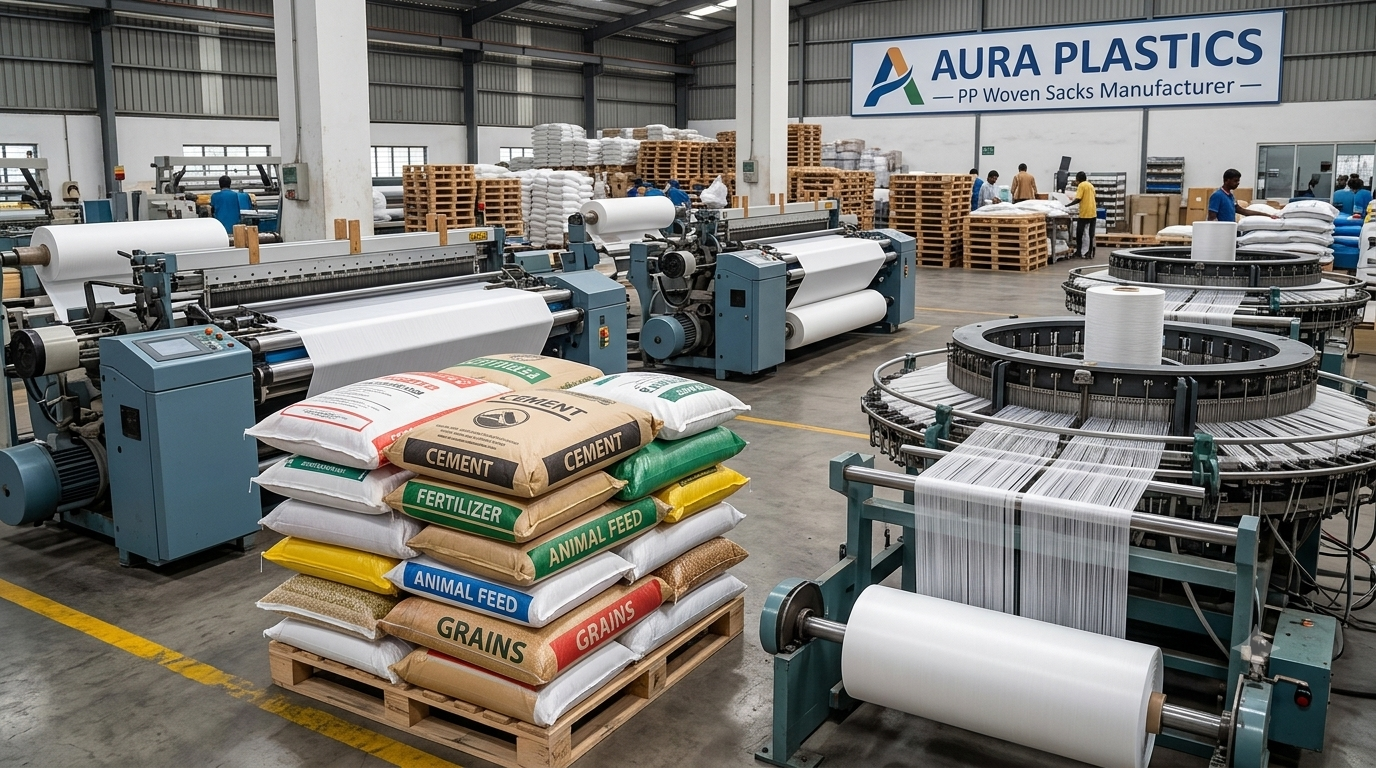
At Aura Plastics, we understand that buyers want packaging they can trust. That is why our BPA-free product range is made with care, using safe materials like polypropylene, tested for quality and food safety. Our product ranges from PP woven bags to anti slip pp woven bags, BOPP bag, specialty bags that are BPA free. We ensure:
- Using BPA-free materials in our products
- Following food safety standards
- Offering strong, long-lasting, and reusable packaging
- Keeping our labeling clear, so you always know what you are buying
Simple Tips for Buyers
Here are some easy tips to help you choose the right packaging:
- Check the label — Look for “BPA free” clearly written on the product or packaging.
- Look at the recycling number — Number 5 usually means polypropylene, which is BPA-free and food safe.
- Avoid old, scratched plastics — Older plastic containers, especially ones with the recycling number 7 (which may contain BPA), can be more risky, especially when heated or damaged.
- Choose trusted brands — Buy from brands like Aura Plastics that are transparent about their materials.
- Don’t assume clear plastic is unsafe — Not all clear plastics contain BPA. Polypropylene, for example, can be safe even though older BPA-containing plastics were also often clear.
Conclusion
Understanding the difference between BPA-free and standard packaging helps you make better, safer choices for your home and family. The BPA free meaning is simple — it means the plastic was made without Bisphenol A, lowering the chance of chemical exposure. When people ask is polypropylene toxic or is polypropylene safe, the answer is reassuring: polypropylene is widely seen as one of the safest, most trusted plastics used in food packaging today.
At Aura Plastics, contact us for BPA-free packaging solutions that are safe, reliable, and built for everyday life.
Frequently Asked Questions (FAQ)
- What does BPA free mean exactly? BPA free means the plastic product was made without using Bisphenol A, a chemical once common in hard plastics. This lowers the risk of the chemical leaking into your food or drinks.
- Is polypropylene toxic? No, polypropylene is not considered toxic. It is a food-safe plastic that does not contain BPA and is approved for use in food containers, baby products, and medical items.
- Is polypropylene safe for hot food and drinks? Yes, polypropylene can handle warm to moderately hot temperatures well, making it a safe choice for everyday food storage and short-term heating.
- How can I tell if a product is BPA-free? Check the product label for “BPA free” text, or look for the recycling number 5, which usually points to polypropylene, a BPA-free plastic.
- Why did companies use BPA in the first place? BPA was popular because it made plastic strong, clear, and hard to break. Over time, health studies raised concerns, leading many brands to switch to BPA-free options.
- Is BPA-free packaging more expensive? Sometimes it costs a little more due to different materials and safety testing, but many buyers feel it is worth it for added health safety.
- Does Aura Plastics offer BPA-free products? Yes, Aura Plastics offers a range of BPA-free packaging solutions made with safe materials like polypropylene, designed for both households and businesses.
- Is all clear plastic unsafe? No. While some BPA-containing plastics are clear, materials like polypropylene can also be clear or semi-clear and are completely BPA-free and safe for food use.